
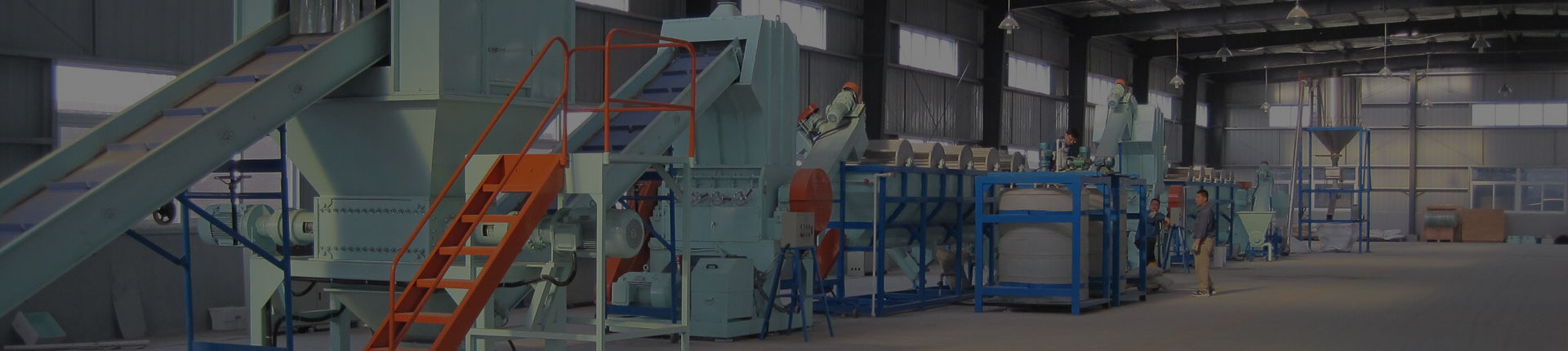
An Agricultural Film Recycling Machine is the equipment that turns used mulch film, greenhouse film, and silage wrap into clean, sellable pellets. It exists because agricultural film is the dirtiest plastic feedstock in the world. According to the FAO, agriculture uses about 12.5 million tonnes of plastic products every year, and much of it comes back coated in soil, sand, and plant residue. In this guide, you will learn how these machines actually work, the seven stages that matter, and how to judge whether a supplier can handle real farm film rather than clean factory scrap.
Why Agricultural Film Is the Hardest Plastic to Recycle
Before looking at the machinery, you need to understand the material. Farm film behaves nothing like a clean industrial scrap stream, and the machine design has to account for that difference.
Contamination: Soil, Sand, and Moisture
Field film comes back with soil attached, often 20-40% of its weight. Sand is the worst part. It is abrasive, so it wears crusher blades and screens far faster than plastic alone. Moisture is the second problem: wet film clogs conveyors, bridges in hoppers, and forces the dryer to work much harder. This is why a machine built for farm film puts a sand removal stage ahead of the crusher, not after it.
Low Bulk Density and Handling Problems
Agricultural film has very low bulk density. A tonne of loose mulch film occupies many times the volume of a tonne of bottle flakes, and it tangles around shafts and augers. Feeding systems therefore need forced compaction or screw feeding to push material into the extruder at a steady rate. Without that, throughput swings wildly, and the line never reaches its rated capacity.
How an Agricultural Film Recycling Machine Works, Step by Step
Now let us follow the material through a working line. A well-designed system runs a fixed sequence, and each stage exists because of a specific property of farm film.
Pre-Cutting and Sand Removal
Whole bales and long rolls are first pre-cut or shredded into manageable pieces. The material then enters a sand remover, which is the stage that separates a farm-film line from a general plastic line. Loose soil and grit are knocked off before the plastic is reduced further. Skip this and the sediment travels into the crusher, where it shortens blade life and contaminates the wash water.
Stage 3-4: Wet Crushing and Friction Washing
After sand removal, the film is crushed into small pieces. Water is added during crushing, which gives a first round of cleaning and keeps the material from overheating. The crushed film then passes through a friction washer, where fast-rotating paddles scrub mud and organic residue off the surface. A properly sized High Speed Friction Washer removes the majority of remaining sediment at this point.
Rinsing, Squeezing, and Drying
The washed film moves into a floating rinse tank, where the last of the dirt settles out, and the plastic floats clear. From there, it is fed into a squeezing unit that mechanically presses water out of the film rather than evaporating it. Mechanical dewatering is far cheaper than thermal drying, and it is what makes the energy numbers work. A Film Squeezing Dryer typically brings film down to roughly 1-3% moisture, ready for extrusion.
Pelletizing and End Product
Dried film is compacted and fed into the extruder, where it is melted, filtered, and cut into pellets. The pellets are then cooled and bagged. Output quality depends mostly on what happened earlier in the line: residual sand shows up as filter blockage, and residual moisture shows up as bubbles and weak pellets.
Agricultural Film Recycling Line vs. Waste Film Recycling Machine
The two terms are often used loosely, and buyers frequently end up with the wrong scope of supply. The difference is whether you are buying a complete process or one piece of it.
| Factor | Agricultural Film Recycling Line | Waste Film Recycling Machine |
|---|---|---|
| Scope | Complete process, intake to pellets | Single unit or partial stage |
| Input contamination | Handles high soil and sand content | Usually cleaner, pre-sorted film |
| Output | Finished pellets | Washed film or flakes |
| Best for | Commercial recycling operations | Adding capacity to an existing line |
| Typical decision driver | Pellet quality and throughput | Budget and floor space |
When a Full Line Makes Sense
Choose a complete Agricultural Film Recycling Line when you collect film yourself and need to sell pellets rather than washed film. A full line lets you control every stage, which matters most with heavily contaminated material. It also removes the risk of mismatched equipment, where one supplier’s washer feeds another supplier’s dryer at the wrong rate.
When a Single Machine Fits Better
A standalone Waste Film Recycling Machine suits operations that already have part of the process in place, or that sell washed film instead of pellets. This route costs less upfront and takes less floor space. The trade-off is that you inherit responsibility for integration, and any weak stage upstream will limit what the whole system can produce.
What to Look For in an Agricultural Film Recycling Machine
With the process clear, here is how to evaluate competing offers. These three checks separate machines built for farm film from general-purpose equipment.
Sand Removal Performance and Blade Life
Ask how the design handles abrasive sediment before the material reaches the crusher. A dedicated sand remover extends blade life substantially and keeps the wash water cleaner for longer. Request the maintenance interval for blades and screens when running high-soil film, and compare that number between suppliers. On dirty film, it is the single biggest driver of operating cost.
Moisture Handling and Drying Capacity
Find out what output moisture the line guarantees and how that is measured. Values around 1-3% after mechanical squeezing are achievable on well-built systems. Then ask about the dryer energy demand at your target rate. Mechanical dewatering uses far less power than thermal drying, so a line that squeezes well will cost less to run even if the purchase price is higher.
Wear Protection and Build Quality
Farm film is abrasive, so build quality determines service life. Look for wear plates in high-impact zones, hardened crusher blades, and screens that can be replaced without dismantling the machine. Ask whether the manufacturer will run your own film as a trial and share the consumption figures. Lianda Machinery has built plastic recycling equipment since 1998 and provides factory test reports with each film recycling line.
FAQ — Frequently Asked Questions
How much does an agricultural film recycling machine cost?
Prices depend on capacity, washing stages, and automation. A single washing unit may start around $30,000, while a complete agricultural film recycling line from intake to pelletizing typically ranges from roughly $100,000 to over $400,000. Energy, water, and blade wear add to lifetime cost, so compare total operating cost rather than purchase price alone.
What moisture content can agricultural film have?
Field film often arrives at 15-30% moisture, and wet season collection can push it higher. Machines are built to accept this range, but the drying stage must be sized for the real figure. After mechanical squeezing, well-designed lines bring film down to roughly 1-3% moisture before extrusion.
Can recycled agricultural film be made into new film?
Yes, but usually not back into film for the same demanding application. Most recycled farm film becomes lower-specification products such as refuse bags, pipes, and agricultural drainage products. The FAO notes that few microorganisms degrade these plastics, which is exactly why mechanical recycling matters so much for farm waste.
Conclusion
An Agricultural Film Recycling Machine solves a specific problem: it cleans a feedstock that arrives loaded with soil, sand, and water, and turns it into pellets someone will buy. The order of the stages matters more than any single specification, and sand removal before crushing is the detail that separates a working line from a maintenance burden.
Zhangjiagang Lianda Machinery builds complete Agricultural Film Recycling Lines and Waste Film Recycling Machines for recyclers worldwide. Send us your film type and target output, and our engineers will recommend the right configuration. Contact us today for a free consultation and equipment quote.
Post time: Sep-27-2026