
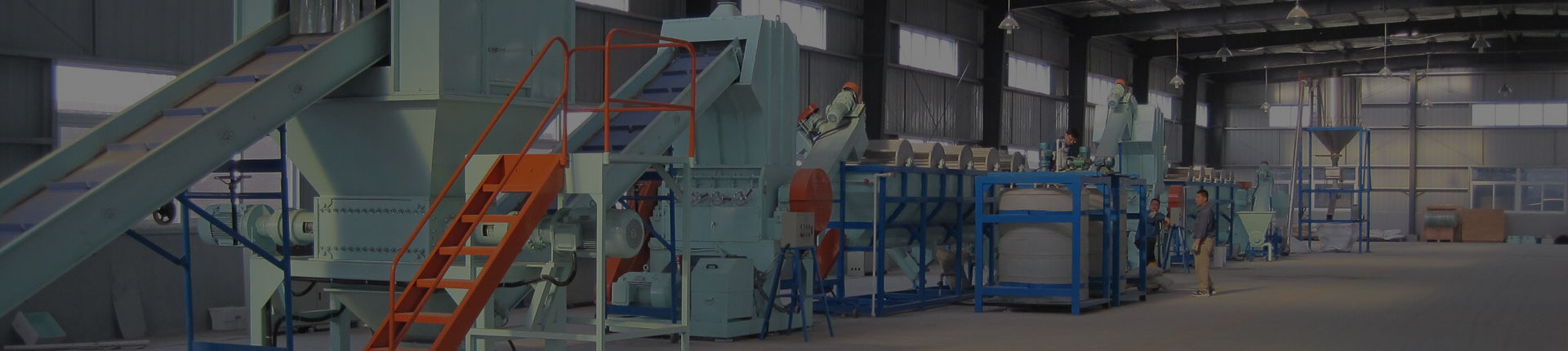
Choosing a PET Bottle Recycling Machine is one of the biggest decisions a recycling business will make. Get it right, and your line produces clean flakes with steady profits. Get it wrong, and you face contamination, low yields, and constant downtime. This guide covers the key factors — capacity, washing quality, and supplier reliability — so you can select a PET bottle recycling machine that truly matches your operation.
What Does a PET Bottle Recycling Machine Do?
Before you compare specifications, it helps to understand the complete journey of a PET bottle inside a recycling line. Each stage has a purpose, and the machine’s design determines how well these stages work together.
From Bottles to Flakes: The Complete Process
A typical PET bottle recycling line starts with crushing or shredding the bottles into small pieces. The material then moves through washing stages that remove labels, glue, and contaminants. Next comes separation, where heavier PET sinks and lighter caps and labels float away. Finally, the clean flakes are dried and packaged. Some lines also include granulation to produce uniform pellets ready for extrusion. Each step is connected, so the quality of the whole system matters more than any single component.
Key Components of a Complete Recycling Line
A high-quality PET Bottle Recycling Machine line includes a shredder, a friction washer, a hot or cold washing unit, a drying system, and optional granulation. The PET Bottle Washing Line is the heart of the system — it determines how clean your output flakes will be. Separate components work together, so look for a supplier who integrates them into one balanced system rather than selling mismatched machines from different sources.
Key Factors to Consider When Choosing a PET Bottle Recycling Machine
Now let us examine the specific factors that determine whether a machine will deliver the results you expect. Work through each one before making your final decision.
Capacity and Throughput Requirements
Capacity is the first question: how many kilograms of bottles do you process per hour? Your machine must match your input volume while also matching your output requirements. A line rated at 500 kg/h will struggle if your collection volume reaches 800 kg/h at peak. Choose a system with 20-30% headroom above your average throughput to handle seasonal fluctuations. Lianda Machinery offers PET bottle recycling lines ranging from small start-up systems to large industrial plants.
Washing Quality and Output Purity
Washing quality determines the value of your final product. A machine with effective friction washing removes glue, ink, and residues from the bottle surface. For food-grade rPET, you need advanced washing combined with decontamination steps. Check whether the line uses hot washing (which removes more contaminants) or cold washing (which is more economical). Understand what your target market requires before choosing the washing level.
Energy and Water Consumption
Running a recycling line consumes significant energy and water. Look for machines with energy-efficient motors, water recycling systems, and optimized drying. Some lines use closed-loop water circulation to cut water usage by up to 70%. These savings directly improve your profit margins. Ask the supplier for expected consumption figures and compare them between different models.
PET Bottle Recycling Machine vs. Plastic Recycling Machine
You may be wondering whether a dedicated PET bottle line is necessary or whether a general Plastic Recycling Machine can do the job. The answer depends on your material and your target product.
| Factor | PET Bottle Line | General Plastic Recycling Machine |
|---|---|---|
| Best feedstock | PET bottles, preforms | Mixed plastics, films |
| Output purity | Very high (food-grade possible) | Moderate |
| Washing system | Dedicated PET washing line | General washing |
| Investment cost | Higher | Lower |
| Best for | Food-grade rPET production | General recycling |
When a Dedicated PET Line Makes Sense
Choose a dedicated PET Bottle Recycling Machine when you process mainly bottles and need high-purity output. Food-grade rPET demands precise washing and decontamination that general-purpose machines cannot provide. If you supply fiber producers or bottle manufacturers, a dedicated PET line is the right investment.
When a Versatile Machine Fits Better
A general Plastic Recycling Machine suits operations that handle multiple plastic types — films, raffia, and mixed waste. These machines are more flexible and often cost less. However, they cannot match the washing quality of a dedicated PET line. If your priority is versatility over purity, a multi-purpose machine is the practical choice.
How to Choose a Reliable Supplier
The machine is only part of the story; the supplier determines whether you get long-term support. Evaluate these points carefully.
Quality Certifications and Testing
Work with a manufacturer that holds ISO 9001 certification and tests each machine before shipping. Ask whether they can run a trial with your actual material and share the results. A reputable supplier provides factory reports and welcomes video verification. Lianda Machinery has manufactured plastic recycling equipment since 1998 and tests every line before delivery.
After-Sales Support and Spare Parts
Recycling lines operate around the clock, so spare part availability is critical. Verify that screens, blades, bearings, and wear parts are in stock and shipped quickly. Check the supplier’s technical response time and whether they offer installation guidance and operator training. A supplier with fast international logistics minimizes downtime and protects your investment.
FAQ — Frequently Asked Questions
What is the capacity range for PET bottle recycling machines?
PET bottle recycling machines typically range from 300 kg/h for small operations to 3,000 kg/h or more for large plants. The right capacity depends on your collection volume, production targets, and budget. Choose a line with headroom above your average throughput for reliable performance.
What is the difference between hot and cold washing for PET bottles?
Hot washing uses heated water and detergent to remove oils, glue, and residues more effectively than cold washing. It is essential for food-grade rPET. Cold washing is more economical and suits general recycling applications. Your choice depends on the purity level your target market requires.
How much does a PET bottle recycling machine cost?
Prices vary widely based on capacity, washing technology, and automation level — from around $50,000 for compact lines to over $500,000 for large industrial systems. The total investment also includes installation, auxiliary equipment, and ongoing consumables. Request a detailed quote for accurate planning.
Conclusion
Choosing the right PET Bottle Recycling Machine is a strategic decision that shapes your product quality, costs, and growth. By evaluating capacity, washing quality, energy use, and supplier reliability — and understanding the difference between dedicated PET lines and versatile machines — you can make a confident investment.
Zhangjiagang Lianda Machinery builds complete PET bottle recycling lines and Plastic Recycling Machines. Contact our engineers with your material and target output, and we will design a solution for your plant. Request a free consultation and equipment quote today.
Post time: Aug-28-2026