
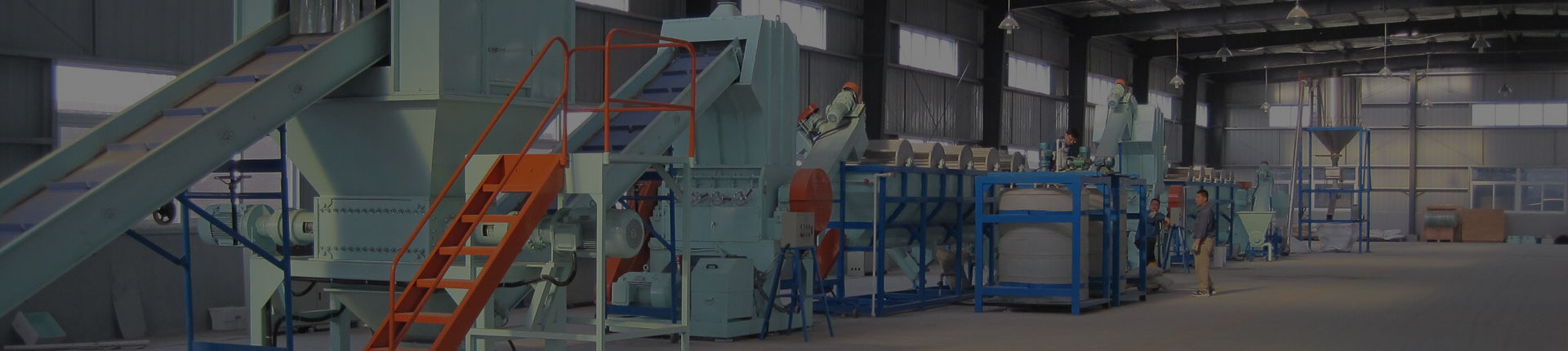
Many industrial processes require plastic materials to be extremely dry before production. Moisture inside plastic resin can cause bubbles, weak spots, or bad surface quality. An Infrared crystal dryer solves this problem. It uses infrared light to heat and dry plastics quickly and evenly. This article examines which industries benefit the most from an Infrared crystal dryer.
What Makes an Infrared Crystal Dryer So Special?
Traditional dryers use hot air to heat plastic from the outside in. This is slow and wastes a lot of energy. An Infrared crystal dryer uses infrared radiation to heat the plastic from the inside out. This is much faster and more efficient.
For example, an Infrared crystal dryer can dry materials like PET, PLA, PBAT, and many others to a moisture level as low as 50 parts per million (ppm). That is extremely dry. Plus, it saves 45-50% of energy compared to old systems. This means lower electricity bills and faster production times.
Industry #1: Plastic Bottle and Packaging Manufacturers
The biggest users of an Infrared crystal dryer are companies that make plastic bottles, food containers, and sheets for packaging. The most common material here is PET (polyethylene terephthalate). You see PET every day in water bottles, soda bottles, and salad dressing containers.
Before PET can be made into a clear bottle, it must be dried and crystallized. An Infrared crystal dryer does both jobs at the same time. Without this step, the bottles would be cloudy or have weak spots.
Many companies that produce PET sheets for thermoforming also rely on an Infrared crystal dryer. If the sheet has any moisture, the final product will have bubbles or uneven thickness.
Industry #2: Plastic Recycling Facilities
Recycling is becoming more and more important around the world. Companies that recycle waste plastic into new materials need an Infrared crystal dryer to get high-quality results. Recycled plastic often comes from washed and ground-up bottles or films. Even after washing, the plastic flakes can hold moisture inside.
An Infrared crystal dryer is perfect for drying recycled PET flakes (rPET). These flakes are then melted and turned into new products like fiber for clothing, new bottles, or strapping bands. The Infrared crystal dryer can also dry other recycled plastics like PLA and PBAT.
One special use is in making rPET pellets. If the pellets are not dry, they cannot be used for high-quality products. An Infrared crystal dryer ensures that recycled pellets are as good as new ones.
Industry #3: Fiber and Textile Producers
The fiber industry is a huge user of an Infrared crystal dryer. Companies that make PET fiber for textiles need perfectly dried material. The fiber is made by melting PET and pushing it through tiny holes to create long threads.
Any moisture in the PET will cause the threads to break or become uneven. An Infrared crystal dryer provides fast, consistent drying so that fiber producers can run their machines 24/7 without problems.
Industry #4: Food and Beverage Packaging
Safety is the number one concern in food packaging. Any contamination or defect can make food unsafe or spoil faster. That is why food packaging companies love the Infrared crystal dryer. It dries plastic so thoroughly that there is almost zero risk of moisture-related defects.
Many food trays, yogurt cups, and bakery containers are made from CPET (crystalline PET). CPET can go in the oven or microwave. To make CPET, the plastic must be crystallized and dried perfectly. An Infrared crystal dryer handles this easily.
Industry #5: Chemical and Engineering Plastics
Some plastics are used in cars, electronics, and medical devices. Examples include PPSU, PEI, PPS, and PBS. These materials are very sensitive to moisture. Even a tiny amount of water can ruin their strength or color.
An Infrared crystal dryer is ideal for these high-performance plastics. It dries them quickly and at precise temperatures. For example, PA (nylon) absorbs water from the air very easily. An Infrared crystal dryer can dry PA in a fraction of the time needed by conventional dryers.
Industry #6: Sheet Extrusion and Thermoforming
Companies that produce plastic sheets and then form them into products also need an Infrared crystal dryer. If the plastic has any moisture, the sheet will have bubbles or lines. An Infrared crystal dryer ensures that the sheet is perfect from edge to edge. This is critical for making items like disposable cups, deli containers, and automotive interior panels.
Why Choose an Infrared Crystal Dryer Over Traditional Dryers?
Here are the top reasons why factories switch to an Infrared crystal dryer:
▸ Speed: Traditional dryers can take 4-6 hours. An Infrared crystal dryer takes only 20 minutes.
▸ Energy savings: You save 45-50% on energy costs.
▸ Better quality: Final moisture can be as low as 50 ppm.
▸ Small footprint: The machine takes up less floor space.
▸ Versatility: It works with PET, PLA, PBAT, PA, PPSU, and many more.
Conclusion
From plastic bottles to car parts, from food trays to polyester fibers, the Infrared crystal dryer is changing how industries dry their materials. It is fast, energy-efficient, and delivers top-quality results. Whether you are a plastic recycler, a packaging manufacturer, or a chemical processor, this technology can help you save money and make better products.
Faster drying, lower costs, and better products are waiting for you. The Infrared crystal dryer makes it possible.
Post time: Apr-03-2026